Amazon's New Anti-Counterfeit Policy: Groundbreaking Inventory Management Shift in E-Commerce

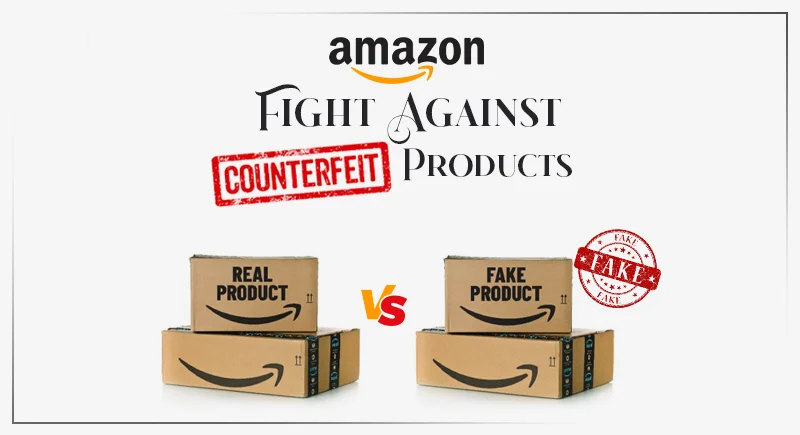
Amazon, the titan of e-commerce, has announced a decisive move to combat the growing issue of counterfeit goods. The company plans to terminate its inventory commingling practice by March 31, 2026, a significant change that aims to bolster authenticity in online retail, according to tech enthusiast Gerard Hughes.
Inventory commingling, a system where identical goods from various sellers are stored together in Amazon's warehouses, has long been a staple of the company's Fulfillment by Amazon (FBA) program. While this approach streamlined logistics and reduced storage costs, it also created an avenue for counterfeit goods to infiltrate the supply chain, posing a risk to consumers even when they purchase from trusted sellers.
Amazon's decision to end commingling comes amid intensified criticism over its role in the spread of counterfeit products. The platform's inadequate controls have been a subject of concern for consumer watchdogs, regulators, and brand partners like Nike and Apple.
The new policy will require sellers to maintain distinct inventory pools, allowing for easier tracing and isolation of problematic goods. While this move might increase costs for smaller sellers, potentially raising their fulfilment fees by 5-10%, it offers a robust safeguard for legitimate vendors. Moreover, it aligns with regulatory pressures in Europe and the U.S., thereby reducing potential legal risks for Amazon.
Competing platforms such as Walmart and eBay that offer their own fulfilment services are likely to monitor Amazon's transition closely. They might consider adopting similar measures to differentiate themselves and gain credibility among consumers.
Third-party sellers, who account for over 60% of Amazon’s sales, will need to adapt swiftly to this new landscape. Many are already opting for Amazon’s Multi-Channel Fulfillment to manage inventory across platforms without commingling. Experts also suggest investing in advanced tracking technologies like blockchain for better provenance verification.
However, for international sellers shipping from overseas, this change may bring about increased customs scrutiny and longer lead times to maintain separate inventories.
Amazon's decision to end commingling is supported by recent advancements in warehouse automation. The company's recent upgrades to its fulfilment centers include enhanced barcode scanning to track seller-specific lots, setting a new standard for e-commerce logistics.
Looking ahead, Amazon may further tighten its verification processes, such as requiring mandatory serial number tracking for high-risk categories. This could create a formidable barrier against fraud, even though skeptics argue that counterfeiters may simply shift to other platforms or methods.
While the change could incur short-term costs for Amazon due to warehouse reconfiguration, the long-term benefits include reduced returns and lawsuits, as well as improved customer satisfaction. For the wider retail sector, this could set a precedent, with brick-and-mortar giants like Target, which partners with Amazon for online sales, potentially demanding similar authenticity guarantees.
As the transition deadline nears, sellers should consider auditing their inventories and communicating with customers about authenticity. Consumers should continue verifying sellers through reviews and certifications, ensuring their purchases are safe and genuine.
In conclusion, this policy shift reflects Amazon's commitment to fostering a more trustworthy environment in online retail. This transformation could redefine standards across digital marketplaces, ushering in an era where authenticity is not just promised but structurally enforced.