China Faces Billion-Dollar Counterfeit Gold Scandal Amid ‘Gold Fever’ Frenzy

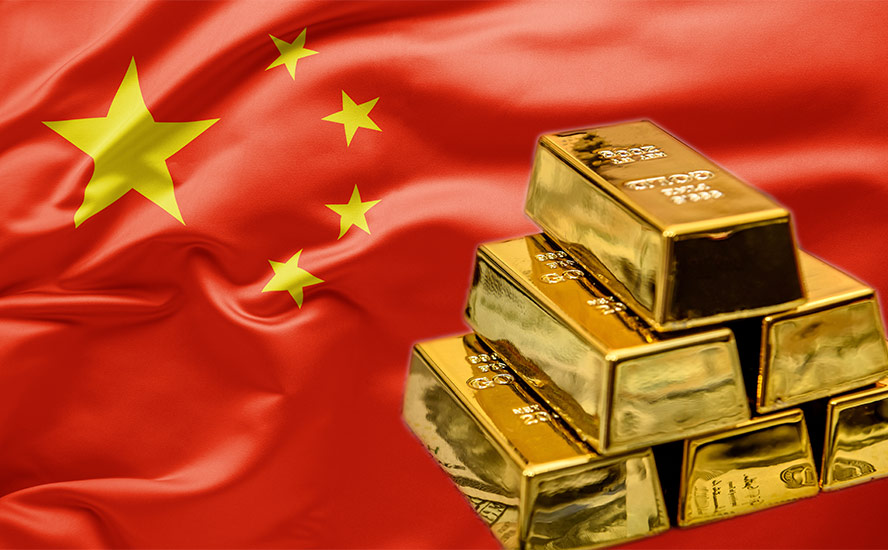
Early in 2026, China was battling a wave of gold-related scams that exposed fraudulent trade activities and billions of dollars’ worth of fake gold. These frauds targeted both institutional and retail investors, many of whom were unaware that the gold they purchased was counterfeit. The surge in scams coincided with record-high gold prices and an extraordinary spike in investor demand, often referred to as “gold fever”.
The collapse of a $1.39 billion Shenzhen trading platform sparked widespread outrage. The most widely reported incident occurred in late January 2026, when investors gathered outside the headquarters of a private gold trading platform in the Shuibei neighborhood of Shenzhen—a major hub for gold trading in China. The platform, reportedly JWR, allegedly ignored redemption requests from hundreds of investors hoping to profit from skyrocketing gold prices.
Investigations revealed that the platform operated in a Ponzi-like manner. Rather than selling physical gold, JWR engaged in non-physical gold betting and high-leverage directional trades based on gold price movements. This created a situation where returns for early investors depended on incoming funds from new participants rather than legitimate gold transactions. Investors estimate that over 10 billion yuan (about $1.39 billion USD) in funds remain unpaid.
A task force in the Luohu district is probing JWR’s “abnormal business operations” following its collapse. Regulators are emphasizing the risks associated with private platforms promising high profits without physical gold backing and are advising investors to report their losses formally while avoiding public confrontations.
Counterfeit gold at the retail level is also on the rise. Many bars are composed of tungsten or copper alloys lightly coated with gold, as tungsten’s density closely resembles that of gold—making them hard to detect through basic weight tests[4]. Fraudsters often claim these fake bars or coins are rare finds from construction sites or other unusual locations, leading unsuspecting buyers to deplete their savings and damage confidence in the market for precious metals.
Authorities are responding with stricter enforcement and guidance. In January 2026, a Kuaishou subsidiary was fined 26.7 million yuan ($3.84 million USD) for permitting the sale of counterfeit gold on its platform[6]. Because traditional weighing is insufficient to detect modern counterfeits, the Shenzhen Gold and Jewelry Association has warned against illicit “non-physical” trading and recommended advanced verification methods such as X-ray fluorescence (XRF) testing.
“Gold fever” has fueled the rapid spread of scams. Amid geopolitical concerns and economic uncertainty, Chinese investors purchased 133 tons of gold ETFs in 2025, which created opportunities for fraudsters. The high prices, combined with complex supply chains, have made it easier for con artists to operate undetected. Many investors realized too late that their purchases were fraudulent. The immediate consequences include billions in losses, diminished investor confidence, and liquidity challenges for banks and trading firms. The crisis highlights systemic weaknesses, including poor verification standards and limited regulatory enforcement. Experts advise digital certification, enhanced traceability, and mandatory testing. In order to confirm the genuineness of gold, both institutional and retail investors are depending more and more on non-destructive research.
Experts highlight systemic weaknesses and potential solutions. Poor verification standards and limited regulatory enforcement have contributed to the crisis. To mitigate risk, experts suggest digital certification, blockchain-based traceability, and mandatory non-destructive testing to confirm gold authenticity, both for institutional and retail investors.
The implications extend beyond China. Counterfeit gold and fraudulent platforms may impact cross-border investment flows and the global precious metals market. Discussions around standardized verification procedures and enhanced international oversight may emerge in response to this crisis.
The 2026 “gold fever” crisis serves as a cautionary tale. Investors and regulators alike are learning the importance of thorough verification, stronger oversight, and digital tools in traditional commodity markets. Cooperation between regulators, industry players, and technology firms is critical to curb fraud and rebuild confidence in precious metals trading.