Global surge in food adulteration sparks crackdowns and consumer alerts

As food adulteration cases continue to rise worldwide in 2026, authorities are intensifying enforcement efforts to protect consumers from counterfeit and unsafe food products. In Pakistan, the Punjab Food Authority (PFA) has stepped up operations and is urging citizens to report suspicious items through its helpline 1223, reinforcing the role of public vigilance in the fight against food fraud.
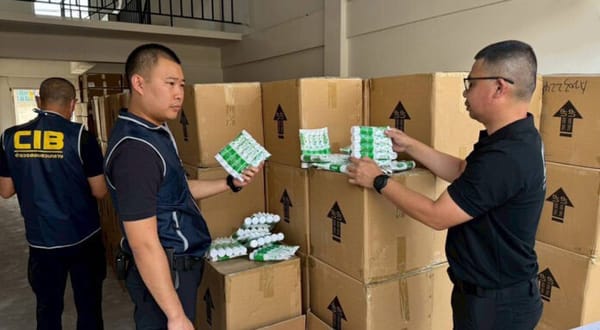
In a recent raid in Rawalpindi’s Ganjmandi Ratta Amral area, PFA teams uncovered a facility allegedly producing counterfeit food products using the packaging of well-known brands. Two suspects, Usman Raza and his employee Ahsan Hussain, were arrested during the operation. Officials seized 100 kilograms of loose tea, 96 kilograms of fake branded tea, and 200 kilograms of corn prepared for repackaging. A large stock of empty branded packaging was also recovered, pointing to what appears to be an organized attempt to mislead consumers and infiltrate legitimate retail channels.
Authorities say such illegal activity often surges during periods of high consumer demand, making strict monitoring even more essential. Legal proceedings have been initiated, and officials reiterated their commitment to ensuring food safety and protecting the integrity of the supply chain. The PFA has also urged the public to remain alert and report any suspected adulteration, warning that counterfeit food products can pose serious health risks that often go unnoticed until harm is done.
The situation in Pakistan mirrors a broader global trend, with multiple countries confronting rising incidents of food adulteration. In China, a major scandal in March 2026 exposed a food processor allegedly using hydrogen peroxide to bleach chicken feet, giving them an artificially enhanced appearance. The case, which also revealed deeply unhygienic processing conditions, renewed concerns about the strength of food safety oversight and enforcement mechanisms.
In Europe, authorities have reported a surge in food fraud cases, particularly involving olive oil and spices. Investigations found cases of adulterated olive oil being marketed as premium-grade products, while some spice blends were discovered to contain harmful contaminants. Regulatory bodies across the region have since increased inspections and enforcement measures in response.
In the United States, the Food and Drug Administration (FDA) continues to closely monitor the use of chemical additives such as titanium dioxide in food products. While the substance remains permitted within specified limits, continued regulatory scrutiny reflects growing public concern over its long-term safety implications.
A significant emerging threat in 2026 is the use of advanced technology in food fraud. Experts warn that criminals are increasingly leveraging Artificial Intelligence (AI) to generate fake certificates, compliance records, and supply-chain documentation. This growing sophistication is making it harder for authorities and businesses to detect fraudulent products through traditional verification methods alone.
Regulators worldwide are also strengthening their response capabilities. New monitoring systems and stricter compliance requirements are being introduced to identify suspicious activities and stop fraudulent products before they reach consumers. However, experts stress that effectively addressing food adulteration requires a coordinated effort among regulators, industry stakeholders, and consumers.
The consequences of food adulteration extend far beyond financial losses. Counterfeit and contaminated products can create severe public health risks, especially when they contain unregulated or toxic substances. As global supply chains become increasingly complex, safeguarding food integrity has become one of the most urgent consumer protection challenges of the year.
Authorities in Pakistan have further intensified inspections and enforcement actions to prevent counterfeit food products from reaching markets. Officials have reaffirmed that strict action will be taken against those involved in adulteration and illegal manufacturing. Public awareness and citizen cooperation, they say, remain central to winning the fight against food fraud.
The rise in food adulteration across countries including China, Europe, and the United States underscores the truly global scale of the threat. As fraudulent practices become more sophisticated, 2026 is shaping up to be a defining year for strengthening food safety systems worldwide. Governments, businesses, and consumers alike are being urged to remain vigilant, adopt stronger verification practices, and work collectively toward a safer and more transparent food ecosystem.