Counterfeit anti-rabies vaccine ring busted in Taguig raises fresh traceability alarms

Taguig City, Philippines: A coordinated enforcement operation in Taguig City has exposed a dangerous counterfeit anti-rabies vaccine network, reigniting urgent concerns around pharmaceutical traceability, cold-chain integrity, and last-mile vaccine authentication in Southeast Asia’s healthcare supply chain. Philippine authorities say the raid uncovered an unlicensed repackaging and falsification site capable of pushing potentially ineffective biologics into legitimate-looking distribution channels.
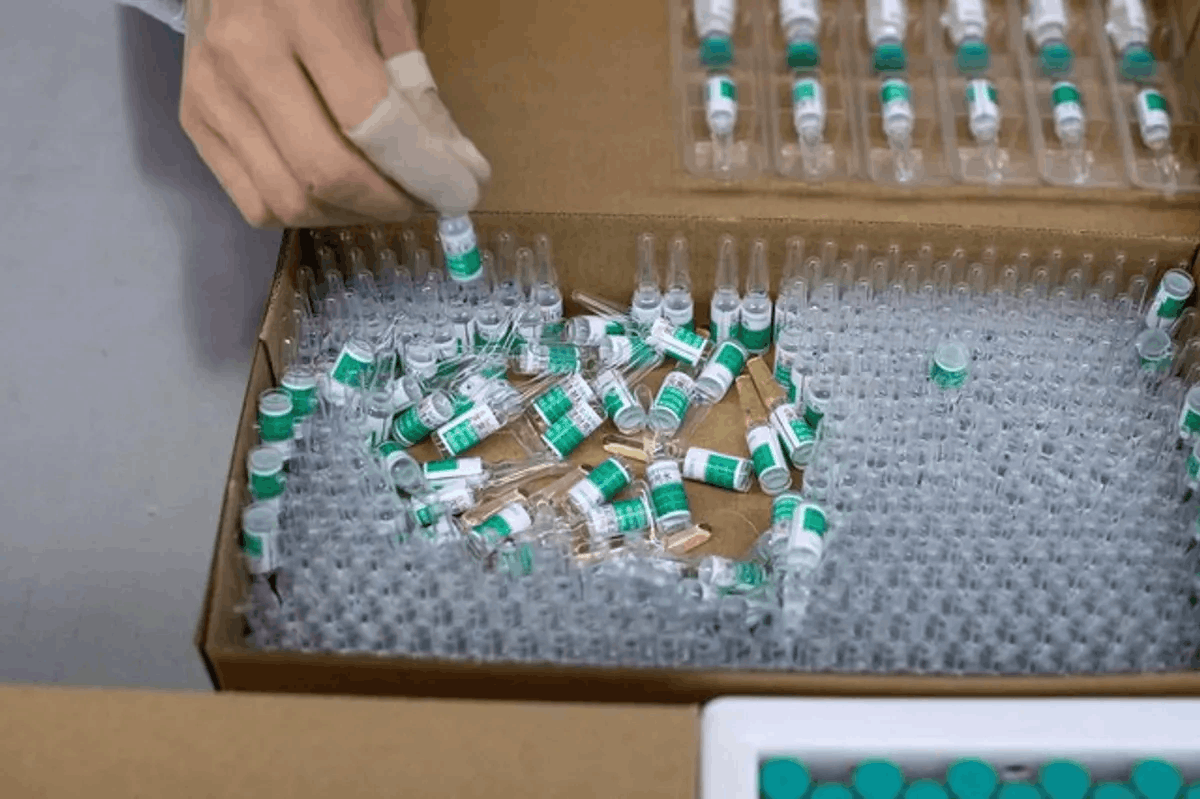
The operation, led by the Philippine Food and Drug Administration (FDA) alongside the National Bureau of Investigation (NBI), followed weeks of surveillance and intelligence development targeting suspicious vaccine movements in Metro Manila. Investigators recovered counterfeit sticker labels, hologram adhesive tapes, vaccine cartons, unlabeled vials, diluents, and handwritten delivery records — all classic indicators of a sophisticated falsification workflow designed to imitate authentic product provenance.
For the global anti-counterfeiting ecosystem, the case is more than a local criminal bust. It is a direct reminder that high-demand emergency biologics remain prime targets when traceability controls weaken between importation, storage, redistribution, and point-of-care administration.
Counterfeit vaccines expose a deeper supply chain vulnerability
What makes this case especially alarming is not only the fake packaging materials, but the absence of validated cold-chain controls.
According to Philippine FDA officials cited in local reporting, investigators found no medical-grade refrigerator or bio-refrigeration infrastructure inside the suspected facility. For temperature-sensitive biologics such as rabies vaccines, this is a critical failure point. Even if the original product source had once been legitimate, cold-chain breaks can rapidly compromise potency, stability, and immunogenic performance.
This shifts the risk conversation beyond simple “fake vs real” product identification.
In traceability terms, the incident reflects a multi-layer product integrity breach involving falsified packaging identity, unverifiable chain of custody, broken storage compliance, undocumented redistribution pathways, and a possible diversion from legitimate inventory streams.
The recovery of distribution notebooks and recipient lists suggest investigators may now be moving into a downstream product tracing phase, attempting to identify clinics, pharmacies, and patients who may have already received compromised doses.
Why anti-rabies biologics are a high-risk counterfeit target
Rabies post-exposure prophylaxis (PEP) is one of the most time-critical vaccine interventions in medicine.
Once symptoms begin, rabies is almost universally fatal, making immediate access to effective vaccine and immunoglobulin products non-negotiable. The World Health Organization continues to classify rabies as one of the deadliest vaccine-preventable zoonotic diseases globally.
That urgency creates a predictable counterfeit market opportunity:
When public fear is high, prices are elevated, and supply access is uneven, falsifiers can exploit weak traceability checkpoints.
The Taguig raid illustrates how counterfeiters may use repackaging overlays, cloned labels, fake holographic security markers, diverted cartons, relabeled diluent systems, and undocumented secondary transport to blend illicit stock into legitimate healthcare channels.
For supply chain security professionals, this is precisely where serialization, scan-based verification, temperature logging, and dispenser authorization controls become decisive.
The traceability lesson: authentication must extend beyond packaging
One of the strongest lessons from this case is that visual packaging checks alone are no longer enough.
Holograms, labels, cartons, and vial appearance can all be cloned.
The more resilient defense lies in data-backed traceability architecture, including:
- serialized unit-level product identity
- verified source licensing
- authenticated distribution records
- time-stamped cold-chain telemetry
- controlled dispensing authorization
- endpoint clinic verification workflows
The Philippine FDA has already emphasized that some seized products were reportedly sold well below authorized market prices, another classic diversion and falsification signal.
In modern biologics security, price anomalies are often an early fraud intelligence trigger.
A wider warning for pharmaceutical anti-counterfeiting systems
This incident carries implications far beyond the Philippines.
As global vaccine distribution becomes increasingly decentralized, especially in emergency bite clinics, rural health units, travel medicine centers, and urgent-care ecosystems, the last-mile authentication gap remains one of the weakest points in biologics protection.
For manufacturers, regulators, and traceability solution providers, the Taguig case reinforces the need for:
- stronger clinic-level verification
- distributor credential audits
- scan-before-administer systems
- cold-chain exception alerts
- suspicious pricing analytics
- public reporting channels for suspect biologics
The raid may have shut one illegal operation, but it also exposed how counterfeit networks exploit the spaces between regulation and real-world enforcement.
For Trace Wire readers, this is the bigger takeaway:
anti-counterfeiting no longer ends at the warehouse gate — it must remain visible through every handoff until the dose reaches the patient.
In life-saving biologics, traceability is not only a compliance issue.
It is the final layer between protection and preventable death.