Counterfeit Fruita Vital juice factory uncovered in Chiniot raises traceability, food safety concerns

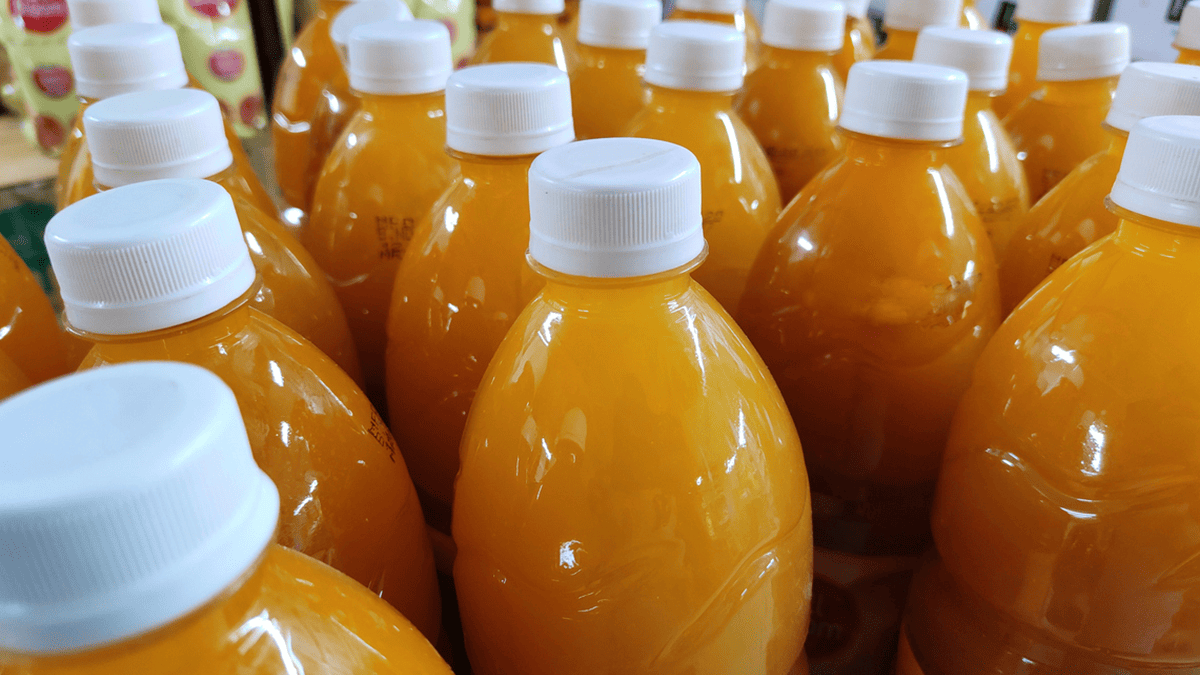
The exposure of an alleged counterfeit Fruita Vital juice manufacturing facility in Chiniot has raised fresh concerns about traceability failures, fake packaging networks, and weak supply chain oversight in Pakistan’s food and beverage sector.
Authorities in Chiniot took notice after an alleged counterfeit beverage factory operating in Mohalla Baqir Wali was exposed, reportedly producing and distributing fake juice products under the name of the well-known Fruita Vital brand. The incident has intensified debate around product authentication, consumer protection, and the ability of counterfeit goods to infiltrate local retail supply chains undetected.
According to initial reports, the illegal factory was manufacturing substandard beverages designed to imitate the established juice brand, potentially misleading consumers while bypassing food safety and quality control mechanisms. Videos circulating online further amplified public attention after a man allegedly linked to the factory appeared to initially admit involvement in the production process before later retracting his statement.
The case has also highlighted broader vulnerabilities in supply chain monitoring and enforcement systems within Pakistan’s fast-moving consumer goods (FMCG) sector. Industry analysts note that counterfeit operators frequently exploit gaps in local distribution channels by using replicated packaging, branding, and labeling to imitate trusted products and enter retail markets unnoticed, particularly in areas where inspection and traceability mechanisms remain limited.
Authorities are expected to launch a formal investigation to determine the scale of the alleged operation, its distribution network, and whether additional individuals, suppliers, or retail channels were involved in the manufacturing and circulation of the suspected counterfeit beverages.
Counterfeit food and beverage production remains a persistent challenge across many developing markets, where fake products often leverage consumer trust in established brands while circumventing regulatory oversight and authentication controls. Such operations may involve low-quality or unregulated ingredients, creating potential health risks for consumers, particularly children and vulnerable populations.
While officials have not yet released laboratory findings regarding the alleged counterfeit juice products, food safety experts warn that fake beverages may contain contaminated water, unauthorized chemicals, artificial coloring agents, or improperly stored ingredients. In some cases, these products are manufactured in unhygienic environments without adherence to basic health regulations, increasing the risk of bacterial contamination and foodborne illness.
The circulation of the online videos has also intensified public scrutiny over the apparent ease with which counterfeit beverages can reportedly be produced and distributed under the identity of trusted consumer brands. Social media users called for stronger enforcement measures, stricter inspections, and harsher penalties against those involved in food counterfeiting operations.
Food safety authorities in Pakistan have conducted multiple crackdowns in recent years against counterfeit food manufacturing units producing fake tea, spices, dairy products, edible oils, and soft drinks. However, industry observers argue that the continued emergence of such operations points to deeper structural challenges involving enforcement capacity, fragmented supply chains, limited product traceability, and low consumer awareness.
The incident has further underscored the growing importance of product authentication technologies and end-to-end supply chain transparency in the food and beverage industry. Globally, manufacturers are increasingly investing in track-and-trace systems, tamper-evident packaging, QR-code verification tools, digital authentication platforms, and secure labeling technologies to combat counterfeit goods and strengthen consumer trust.
Industry specialists believe similar anti-counterfeiting and traceability mechanisms may become increasingly necessary in Pakistan’s retail markets as counterfeit consumer products continue to proliferate across both physical and informal distribution networks.
Legal experts note that producing counterfeit food products under a registered brand name can constitute multiple violations under Pakistani law, including trademark infringement, fraud, deceptive trade practices, and breaches of public health regulations. If proven, those responsible could face criminal charges, product seizures, and financial penalties.
Trace Wire could not independently verify whether the manufacturer behind Fruita Vital had issued an official statement or initiated legal proceedings related to the alleged operation at the time of publication.
For consumers, the incident serves as another reminder to exercise caution when purchasing packaged food and beverage products, particularly from unverified retailers or unusually discounted sources. Experts recommend carefully checking packaging quality, labeling inconsistencies, expiration dates, and authentication seals before purchasing branded items.
As investigations continue, authorities are expected to assess whether the suspected counterfeit products reached wider distribution channels beyond Chiniot and whether similar manufacturing operations may be functioning elsewhere.
The exposure of the alleged fake juice factory has once again highlighted the growing challenge counterfeit consumer goods pose to public health, brand integrity, and supply chain transparency in Pakistan. Beyond financial fraud, such operations risk undermining consumer confidence in legitimate products and reinforce the need for stronger traceability systems, better enforcement coordination, and greater accountability across food supply chains.